
Introduction
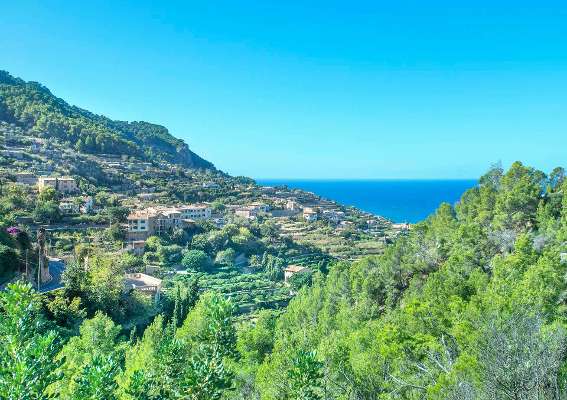
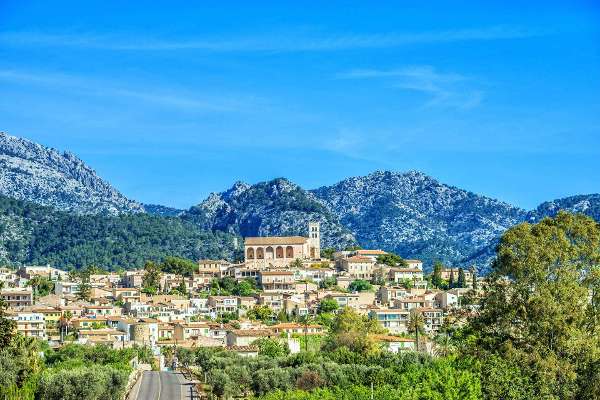
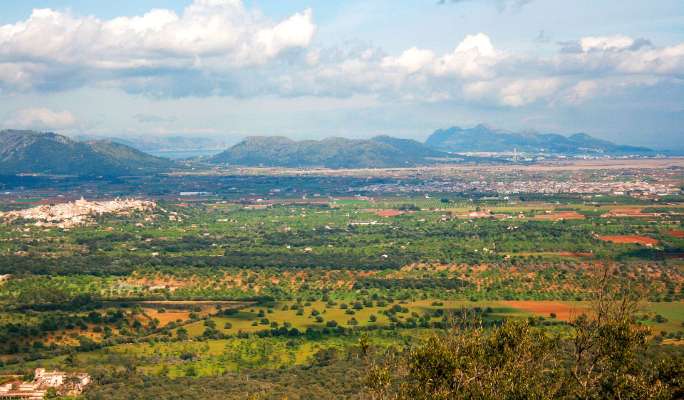
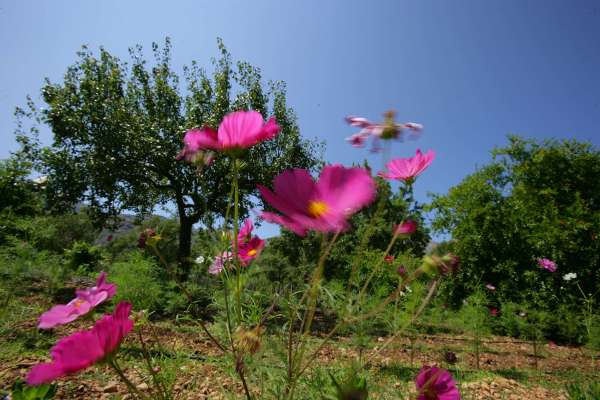
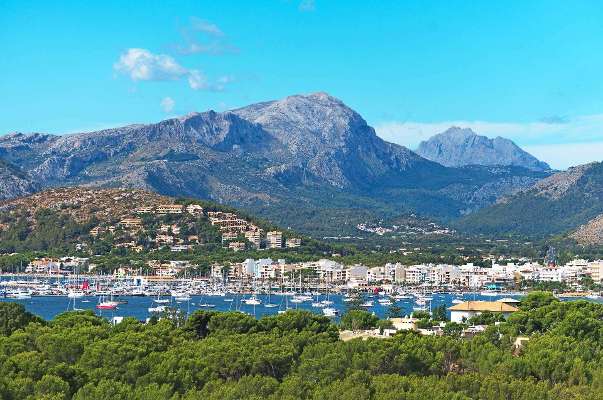
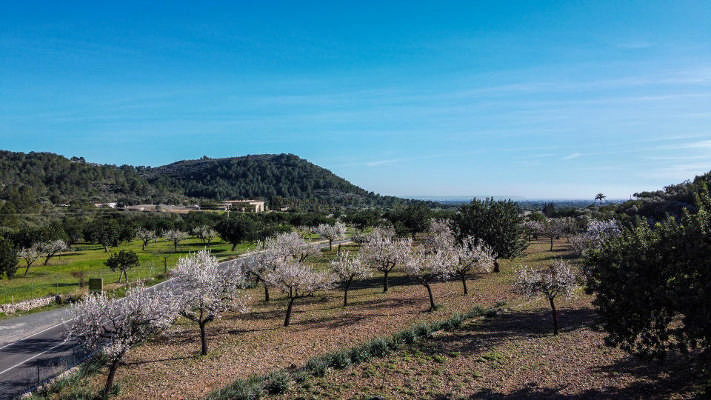
The limestone peaks of the Serra de Tramuntana mountain range on the west coast never fail to impress. Small settlements with their neatly terraced gardens sit haphazardly between fields. Arriving in spring you will be greeted by a sea of white almond blossom stretching across the central plain while later in the year the colours metamorphose into the shimmering gold of wheat fields, the rich dark green hues of maize crop or the vibrant, dayglow yellow of sunflowers.
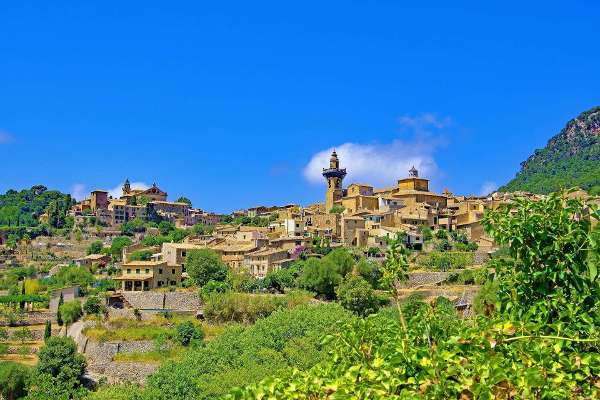
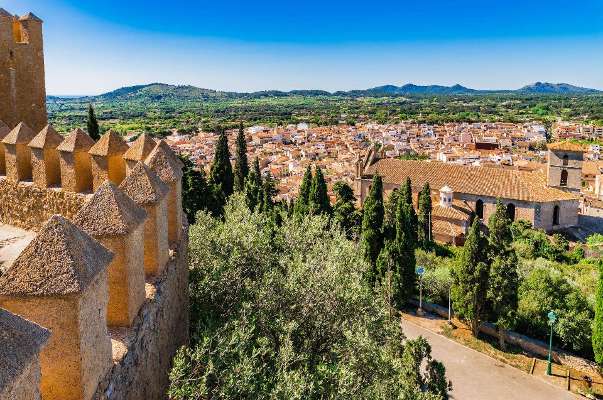
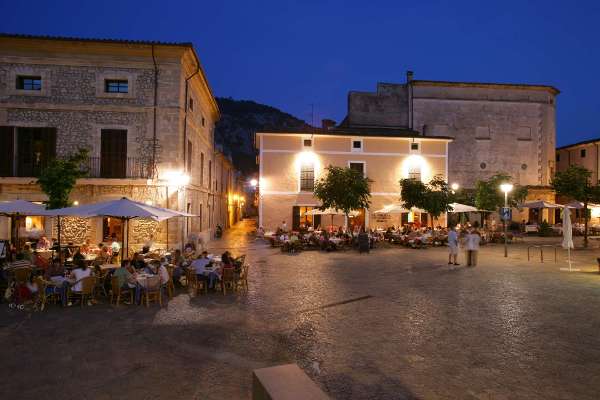
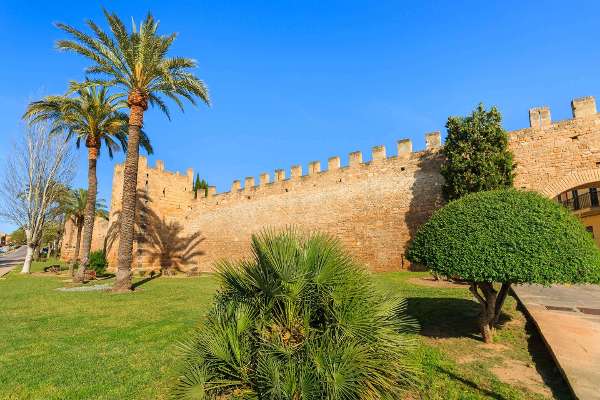
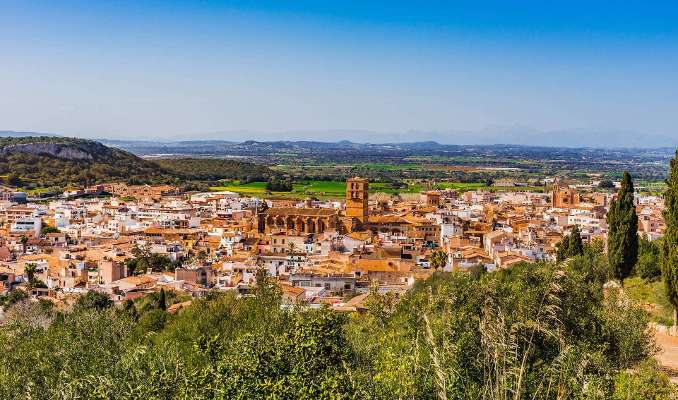
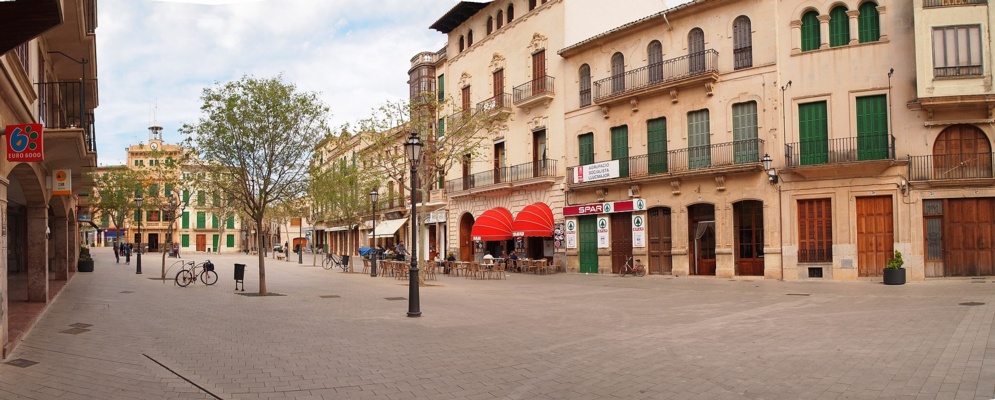
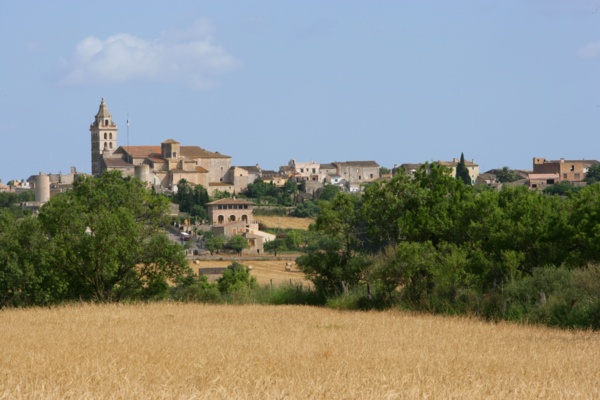
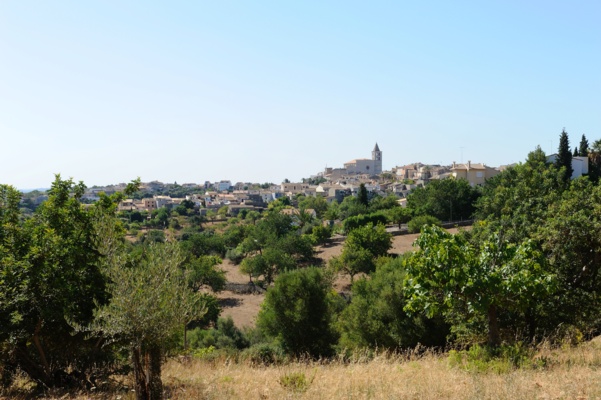
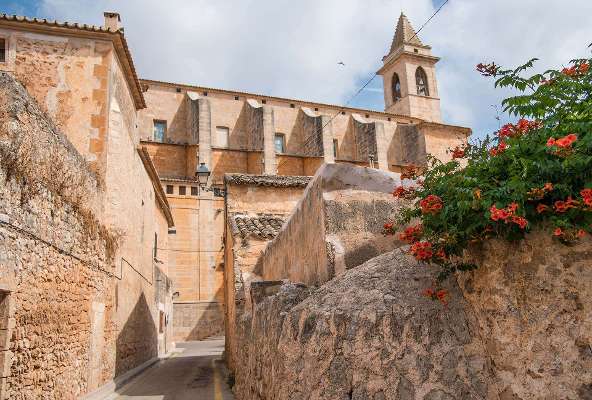
Much of the unspoilt arable interior is a microcosm of a bygone age. Medieval market towns are surrounded by their patchwork fields of olives and citrus fruit groves, each has its own charm and individuality with the majority offering few concessions to progress or the modern age of consumerism. The windmill pumps of old water wells still litter the terrain.
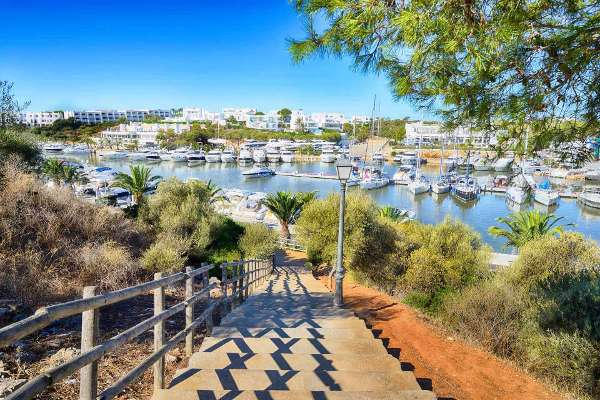
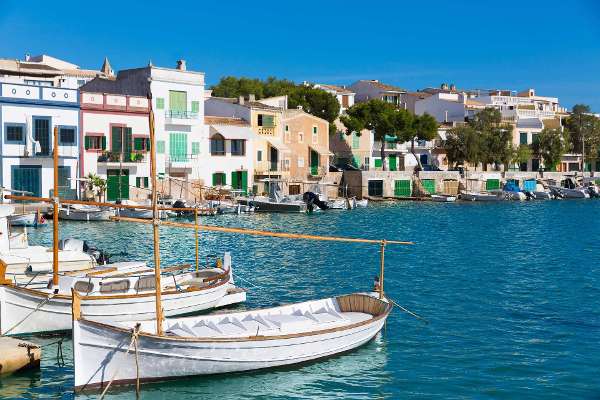
Moving eastwards across the Serra de Llevant the skyline is dominated by the ridge of coastal hills, several of which have monasteries clinging precariously to their summits. The eastern seaboard is an inviting stretch of small sandy 'calas' or fjord like inlets, sometimes totally rural, sometimes a haven to a fishing village. All are just waiting to be discovered.
Cuisine
Pork, lamb, chicken and rabbit are favourite staples in dishes such as 'Frito Mallorquin', 'Lomo con col' and 'Espalda de Cordero'. Across the island, small market gardens or 'hortas' produce all manner of fruit and vegetables, with the emphasis on flavour; the traditional 'Sopes Mallorquines', combines cabbage and bread in a tasty soup. Onions, aubergines, beans, peppers and tomatoes are turned into a rich vegetable 'stir fry' that is a meal in itself.
'Tumbet', containing courgettes, peppers and aubergines, is often served in restaurants as a starter or vegetable accompaniment. The full flavoured, robust wines of Binissalem make an excellent accompaniment to this traditional fare and the locally produced Cava is excellent with fish and seafood dishes.
Fiestas
All across the island, Saints' Days and feasts are an outstanding feature of a Mallorquin summer. Normally such an occasion unites the whole town in an exuberant celebration of street dancing, eating and drinking.
One of the most notable 'fiestas' is held in Pollença in early August when the locals re-enact a battle between Christians and Moors, complete with costumes, props and war paint. The famous Pollença summer music festival held over several weeks in the open air of the old cloister is attended by some of the most notable performers in world music and is one of the major dates on the European music calendar.
Climate
Mallorca enjoys a temperate, Mediterranean climate. The spring and autumn months will be comfortably warm during the day and cool at night, whereas the summer months, particularly July and August, are likely to be hot and dry, offset by mountain breezes.