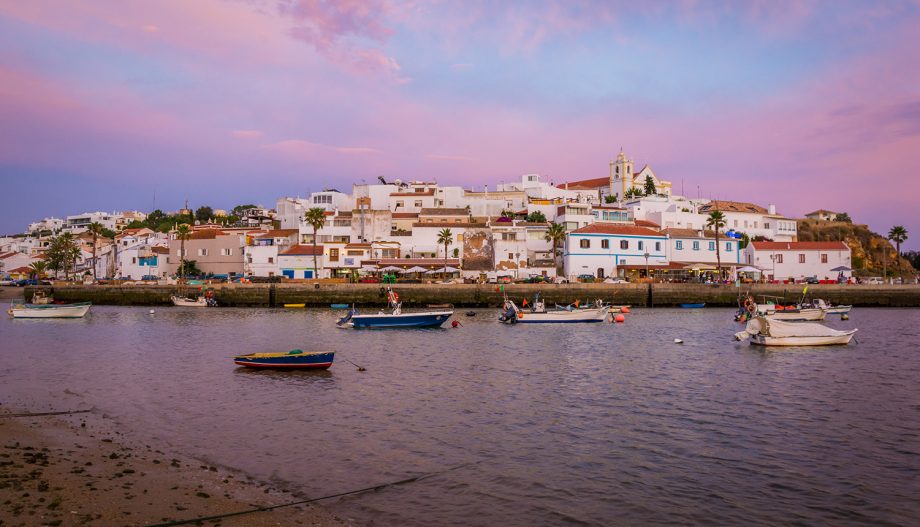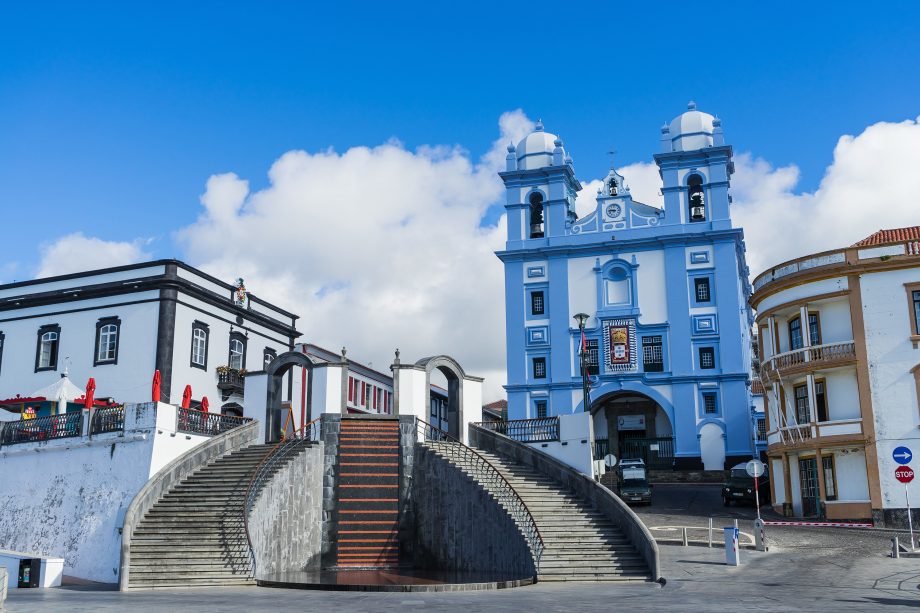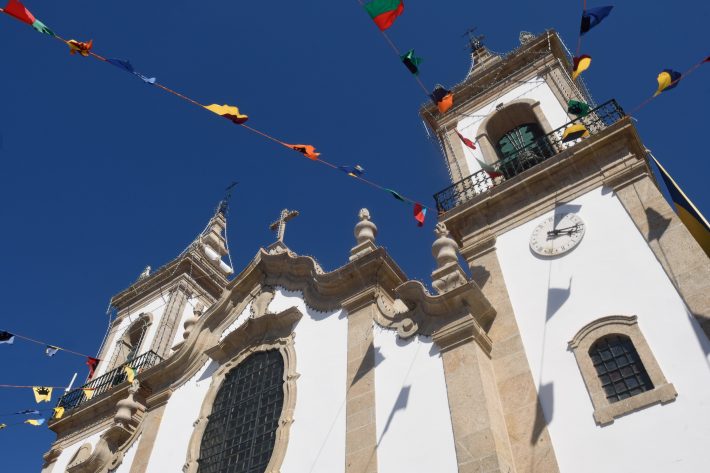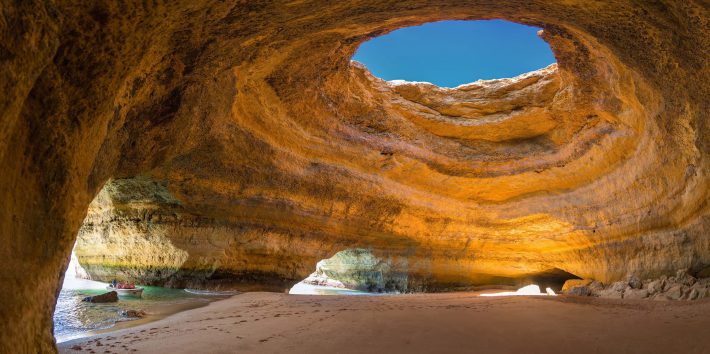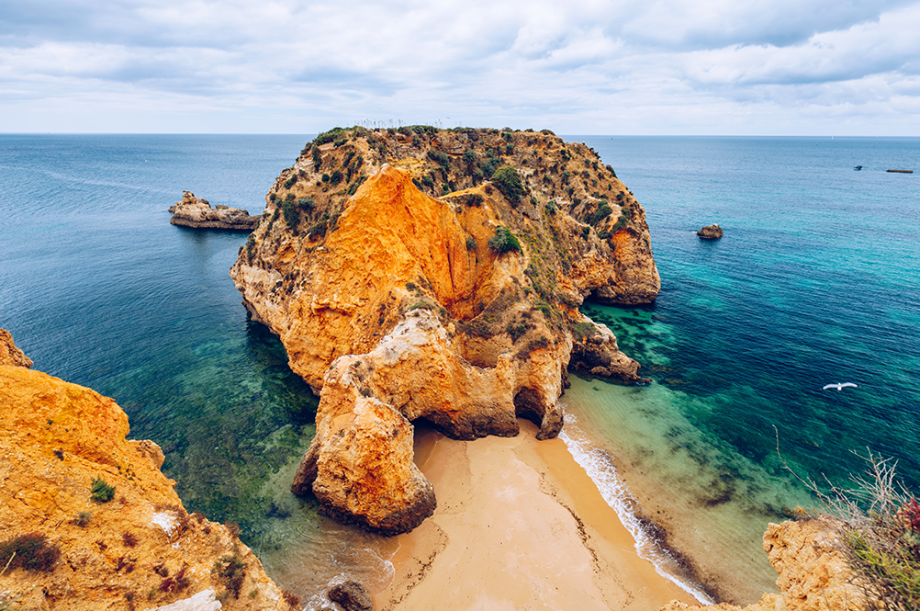
Three quiet coves on the Algarve
The sun-drenched region of the Algarve in southern Portugal is home to some of the finest beaches in Europe, where the wild and exhilarating contrast to the gentle and sedate, providing a beach for everyone.

Category
The sun-drenched region of the Algarve in southern Portugal is home to some of the finest beaches in Europe, where the wild and exhilarating contrast to the gentle and sedate, providing a beach for everyone.
What’s great about the Algarve, asides its fabulous cuisine, friendly locals and world-renowned beaches, is that it’s a year-round holiday destination.
The Algarve is scattered in quant and traditional towns that provide the perfect places to become acquainted with authentic life in this sun-drenched region of southern Portugal.
Caminha is an exceptionally pretty town tucked to the far north of Portugal. Tourism is sparser and more understated compared to many of the bigger, busier Portuguese towns and cities, despite the fact there’s a whole host of eye-opening things to see and do in this quaint and interesting Portuguese town.
Vila Nova de Cerveira is a small but incredibly pretty village that lies on the banks of the River Minho in northern Portugal.
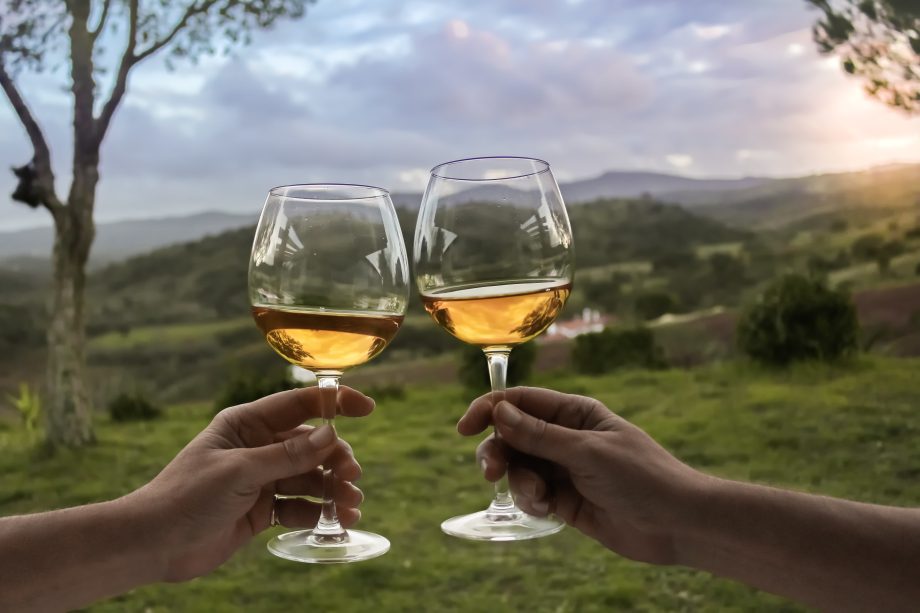
Portuguese wine is amongst the most famous in the world with Portugal being the world’s seventh largest wine producer.
A visit to the small fishing village of Benagil in the Algarve promises to be a memorable and fun day out for all the family. This pretty, coastal village is nestled between the popular tourist towns of Praia do Carvoeiro and Armação de Pêra.
Portugal’s most southern region, the Algarve, spans an area nearly 2,000 square miles. It offers a wide range of scenery, history and culture, and is the country’s most popular destination for holidaymakers and those looking to settle down for good.
Gondomar is a municipality, situated to the east of Porto, in northern Portugal. This sizeable region runs along the bank of the River Douro, where river beaches, framed by woodland, provide the perfect spot for a summertime picnic.
If you’re looking for an authentic Portuguese destination, a place where you can discover traditional life in the Algarve, the head to the pretty little village of Estoi.
The Algarve remains a leading European holiday destination all year round. Unlike other areas, many of its sites, shops, restaurants and tourist activities stay open all year round, meaning there’s plenty to do for all the family.
15 kilometres to the northeast of Portimão on the banks of the Rio Arade in the Algarve, lies the attractive town of Silves. Rusty-coloured rooftops, red-stone walls and narrow streets that wind around a hillside, dominant this tranquil rural town.
Faro often gets overlooked as a resort, merely because people head on to other destinations from its airport. That could be said to work in the city’s favour, as for those who do discover its charms, Algarve’s capital city remains relatively unspoilt and retains a predominantly traditional and peaceful atmosphere.
The mouth of the Rio Minho in northern Portugal marks the border both in historical and cultural terms with its much larger neighbour Spain. This important river has given its name to this north-western Portuguese province, the Minho.
Lagos is a beautiful town on the western Algarve coastline, known for its character, charm and hive of activities, which perfectly blends traditional Portuguese culture with lively tourism. The beaches in the Lagos area are hailed as some of the best in the Algarve, with golden sands stretching for miles. Vintage Travel explores some of
If you leave the city of Porto and head north until you reach the border with Spain, you’ll be in a region known as the Costa Verde (green coast); including the areas of the Douro Litoral and the Minho. There are some stunning vistas of green and rolling lands and a long striking beach. Small market towns
Portugal often gets missed when tourists flock to Spain, Italy and France, but this small country tucked on the Atlantic coast is increasing rapidly in popularity. Here are some of the reasons. The majority of its awe-inspiring coastline and beaches face west, they are just perfect for watching the sun set. They will remain in
Divided by the mighty River Douro to the south and the rolling River Minho in the north, Minho is Portugal’s greenest province. It is also a province steeped in tradition that has remained untouched from the developments of tourism.
If you were asked to name three associations with the Algarve what would it be? Golf, sunshine and beaches perhaps? While Portugal’s popular southern spot is world-renowned for its beautiful beaches, almost year-round sunshine and being a haven for golfers, its penchant to cater for the tennis player is considerably less well documented.
With its laid-back vibe and facing an impressive Roman bridge, the charismatic market town of Ponte de Lima nestled on the south bank of the Lima River has been described as “one of the loveliest small towns in Portugal.”
With rolling verdure valleys, a network of fast-flowing rivers, hillsides carpeted in forests and a coastline of long, windswept beaches, it is easy to understand why Minho is regularly cited as being the most beautiful part of Portugal. Asides its blatant beauty, this distinct province which lies to the north of Porto, clings on to
Casa da Cuquinha is a beautiful and traditional Portuguese country house which has recently undergone renovation. The only stones that have been left unturned in this fine house are those in the traditional walls, which have been left exposed with most agreeable effects. Close to the stunning town of Ponte de Lima, this three bedroom
The Algarve is famed for its long sandy beaches, world elite golf courses and being bathed in year-round sunshine. This southern Portuguese holiday hotspot’s culinary talents are less well-documented. But did you know the Algarve is home to a number of Michelin star restaurants? There are six Michelin Star restaurants on the Algarve. Vila Joya, Gale
What was once scowled upon by the modest mainstream has been steadily growing in popularity. With the ever-growing prevalence of nude beaches, even local authorities across Europe are turning a blind eye. So engrained in popular culture have nudist beaches become that ‘top tens’ and ‘favourite fives’ are now regular features in the travel writing